Story Seeds – Part 2: Lens of diversity: plant cultivation
Plant diversity
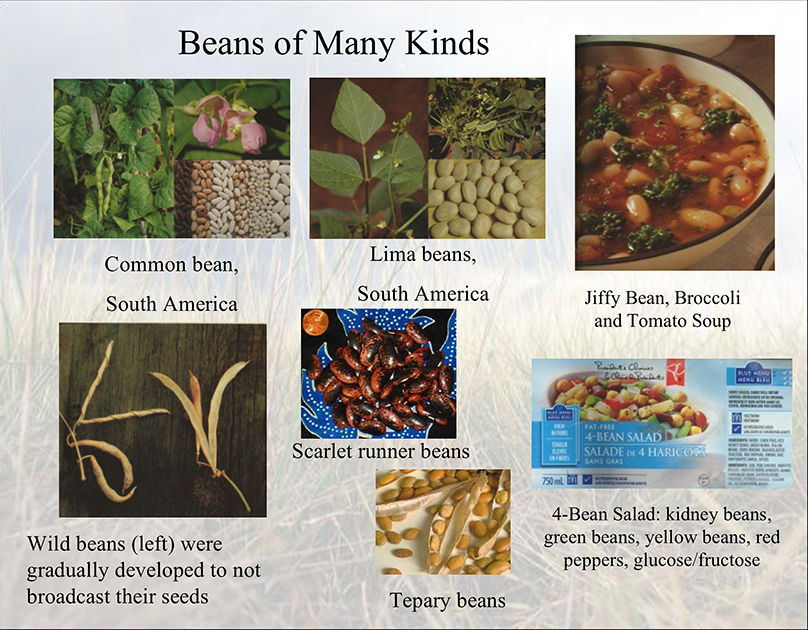
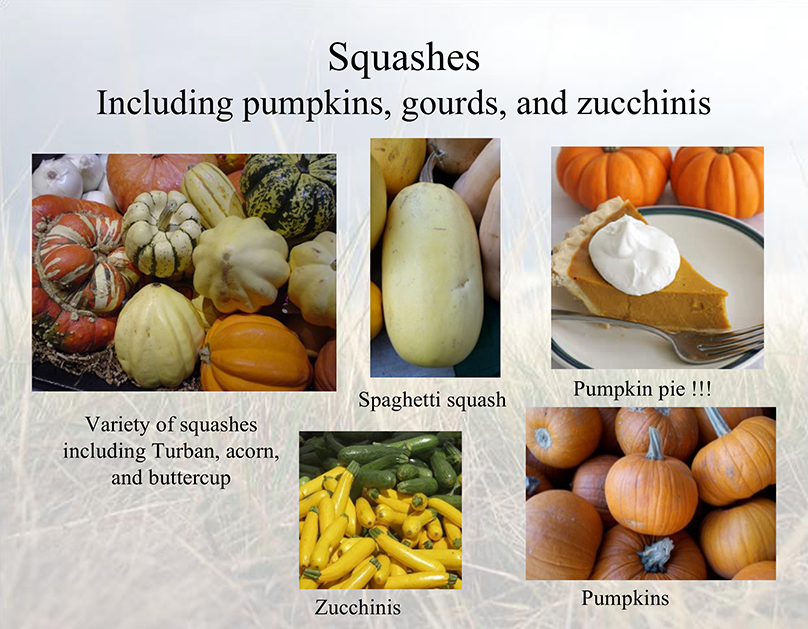
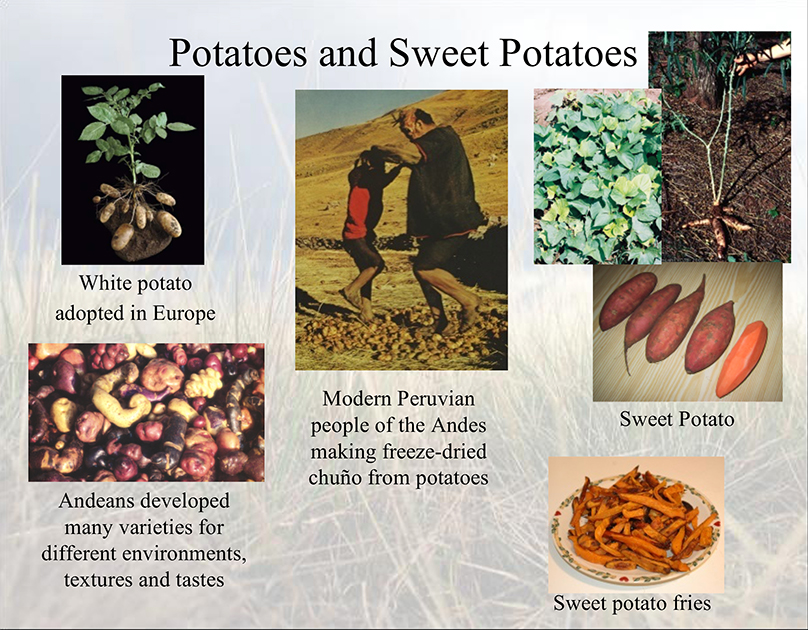
First Nations of the Americas have nurtured and domesticated a wide variety of plants. These include: corn, beans, coconut, peppers, squashes, peanuts, sunflowers, potatoes, sweet potatoes, wild rice, quinoa, goosefoot, jicama, chia, manioc, arrowroot, pumpkins, soft gourds, tomatoes, tamarillos, avocados, sapodilla, tobacco, cashews, dragon fruit, cherries, elderberry, papaya, golden berry, persimmons, passion fruit, yerba mate, pineapples, rubber, cotton, and sisal.
These examples do not include the vast numbers used primarily as medicines. They are all native to the Americas. The rest of the world did not know them until after 1492, when exploration and trade made the connections.
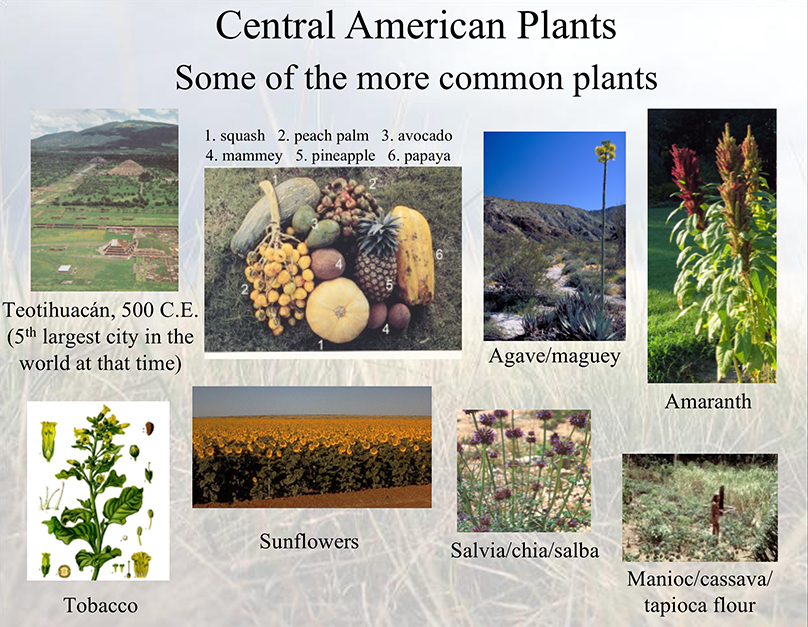
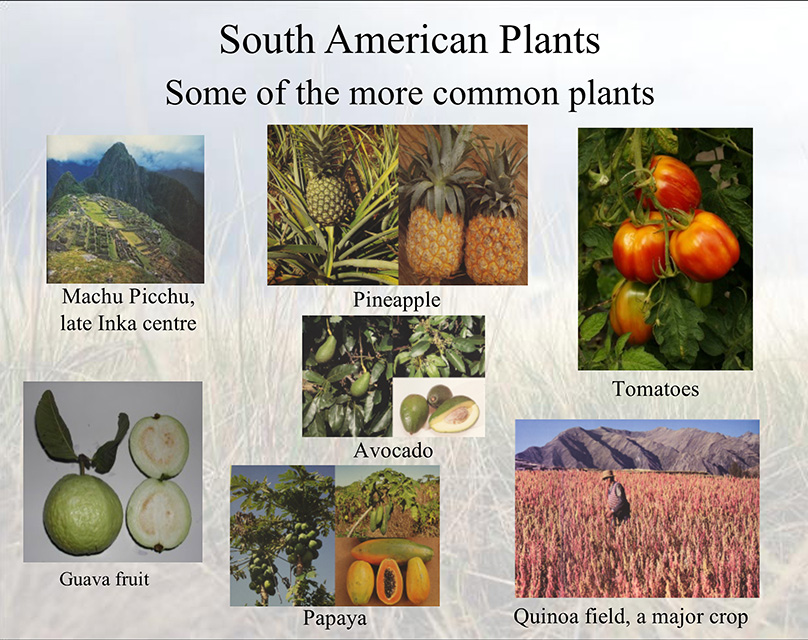
Fast facts: Indigenous to North and South America
This is a small number of the variety of plants that First Nations of the Americas have nurtured and domesticated over the centuries and millennia.
None of these plants were known outside of the Americas before the early 1500s; unknown to people in Europe, Asia, or Africa!
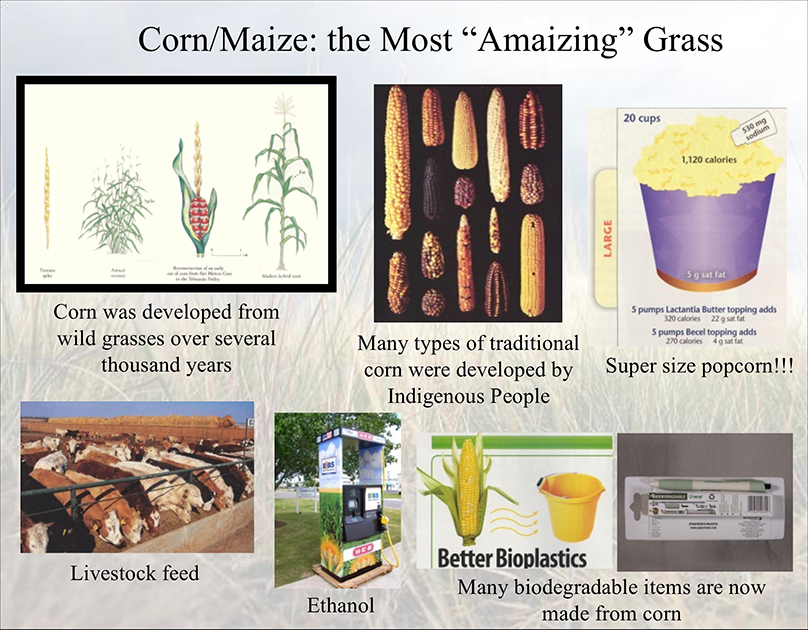
Some plants have undergone considerable change, like corn (maize). It’s evolved through selective breeding from a plant with a few seeds to large cobs that require interaction with humans.
Fast facts: the Eastern Agricultural Complex
First Nations in North America domesticated and cultivated an important group of plants known as the Eastern Agricultural Complex. This was a group of seven plants that were significant food resources. These plants dominated North America before corn swept throughout the continent and reduced their central roles.
They include squash (Cucurbit pepo), goosefoot (Chenopodium berlandieri), sunflower (Helianthus annuus), erect knotweed (Polygonum erectum), marsh elder or sumpweed (Iva annua),maygrass (Phalaris caroliniana), and little barley (Hordeum pusillum).
They may have made up about 67% of the plant diet about 2500 BP. Some, such as squash, date back at least 8,000 years.
These plants were developed in the eastern United States. Experts have identified this area as one of the 10 centres of plant development in the world.
Fast facts: contributions to world history
Much of this knowledge has been known for decades in Indigenous and archaeological communities, but is not widely known or taught in the mainstream.
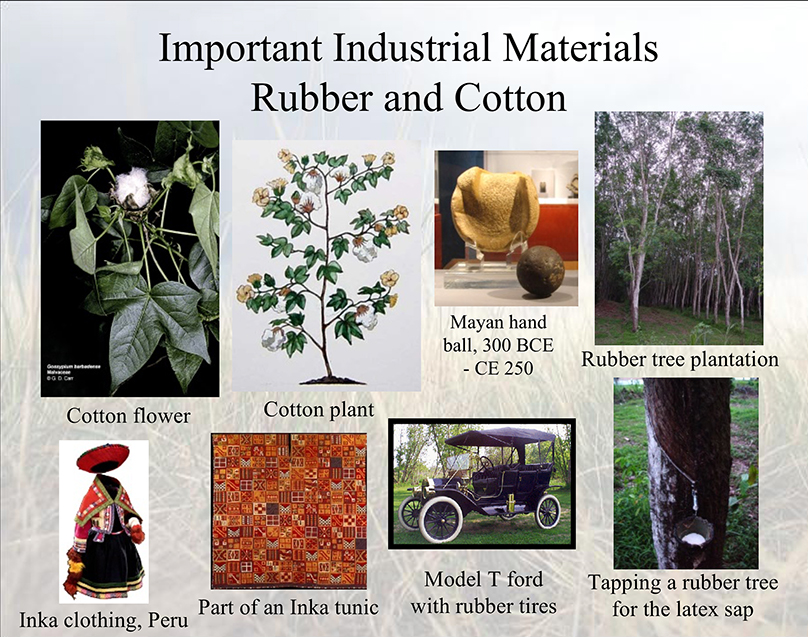
The development of many of these plants has changed world history. Think of potatoes, corn, cotton, and rubber. Cotton used to be the main clothing material before synthetics. Imagine Henry Ford with no rubber tires for his vehicles!
Fast facts: developed by First Nations
Most of these plants are rarely credited as having been developed by First Nations. They’re routinely misidentified with countries that have made them widely known in recent centuries.
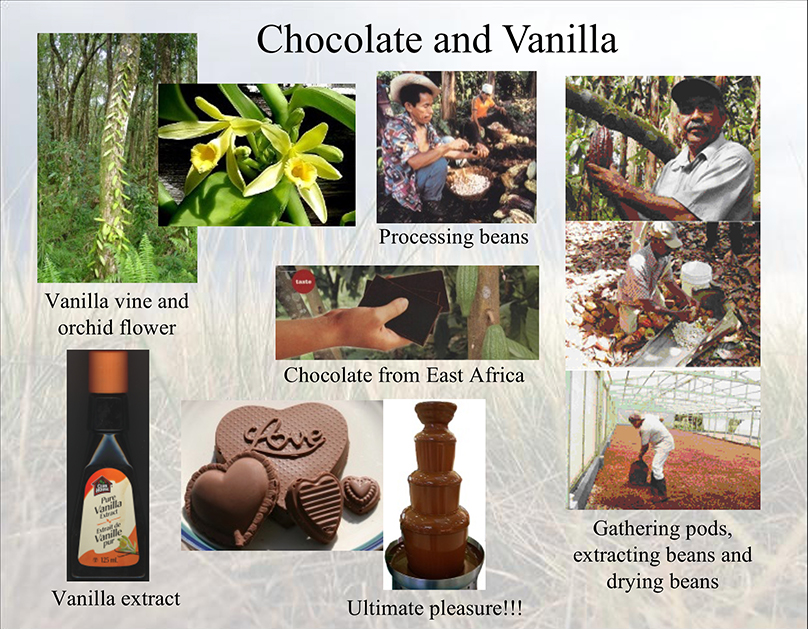
For example, people connect potatoes with Ireland. But not the mountainous areas of South America. They connect chocolate with West Africa or Belgium, not Mexico.
Fast facts: health & wellness today
With the ongoing diabetes epidemic, having a well-balanced diet is critical.
Many of these plants are highly nutritious and their adoption can have profound health impacts.
Health stores have recently adopted these foods. This has led to a growing acknowledgement of these plants.
The recent increased use of ethnic foods has developed awareness. For example, foods like dragon fruit, persimmons, and yerba mate are suddenly appearing in large numbers of food stores and in markets.
However, the original development of these foods is often not acknowledged.
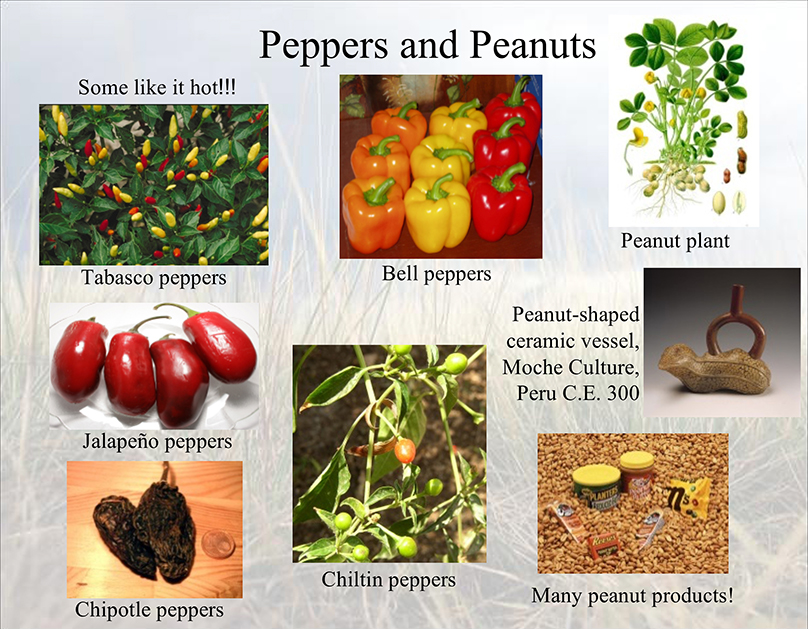
View the fast facts poster with food and plant imagery.